 Bellingham
 Roof Replacement Built for the Puget Area's Weather
Homes in the Puget area of Bellingham deal with a specific combination of punishment: salt-laden air off the water, wind-driven rain that gets pushed sideways into laps and flashing, and a moss season that can run eight or nine months out of the year in shaded, north-facing sections of a roof. None of these alone is unusual for Whatcom County. Together, on the same roof, year after year, they wear out materials and workmanship faster than a standard installation manual assumes. A roof replacement here isn't just "put new shingles on" — it's an installation that accounts for how this specific stretch of coastline behaves.
We've replaced roofs across Bellingham and Whatcom County long enough to know which shortcuts show up as leaks three years later, and which details actually matter for a roof that's going to sit a few blocks from saltwater and under a lot of tree cover. This page walks through what that looks like in practice.
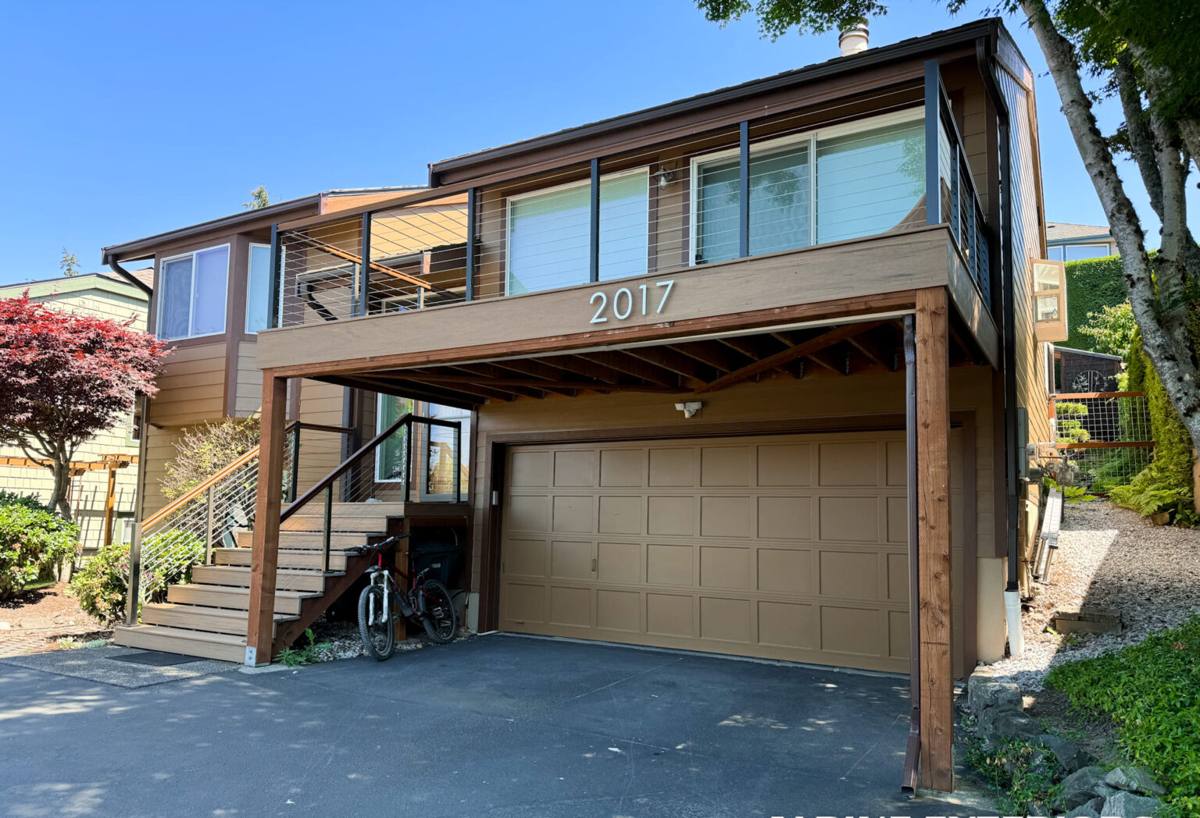
What Salt Air Actually Does to a Roof
Salt air isn't just a coastal talking point — it's a real corrosion driver. Airborne salt settles on exposed metal and accelerates oxidation, especially on fasteners, flashing, and any hardware that isn't rated for it. Over time this shows up as:
- Rusting exposed nail heads and streaking down the shingle face below them
- Premature corrosion on drip edge, step flashing, and valley metal
- Faster breakdown of cheaper gutter and downspout hardware
- Degraded sealant around penetrations that were rated for inland conditions, not marine exposure
The fix isn't complicated, but it does require choosing the right materials up front. On homes in this area we spec corrosion-resistant fasteners and flashing rated for coastal exposure rather than the standard-grade hardware that's fine forty miles inland. It costs a little more at installation. It's a lot cheaper than replacing corroded flashing under a roof that's only ten years old.
Driving Rain and Wind-Driven Water
Whatcom County rain doesn't always fall straight down. Storms coming off the water push rain sideways, which means water gets forced up and under laps, into valleys, and around penetrations in ways that vertical rain never would. A roof that would perform fine somewhere drier and calmer can leak here if the underlayment, valley treatment, and flashing details weren't installed with wind-driven rain specifically in mind.
What This Changes About the Installation
For Puget-area homes, we treat a few details as non-negotiable rather than optional upgrades:
- Self-adhered ice-and-water membrane in valleys, around chimneys and skylights, and along eaves — not just felt underlayment everywhere
- Extra courses of underlayment lap in high-exposure areas facing prevailing wind and water
- Step flashing installed and woven correctly at every wall intersection, not caulked as a substitute
- Proper fastener placement so shingles hold their seal in gusts rather than lifting at the tab
These aren't add-ons we upsell — they're what a correct installation requires in this location. A crew that mainly works drier, calmer areas may not build in this level of detail by default, simply because they haven't needed to.
Moss: The Slow, Quiet Roof Killer
Moss gets treated as a cosmetic nuisance, and that's a mistake. Moss holds moisture against the roof surface long after the rest of the roof has dried out, and it works its rhizoids into shingle granules and seams. On shaded, north-facing slopes — common on tree-lined lots throughout this part of Bellingham — moss can establish itself within a couple of years of a new roof if nothing is done to slow it down.
A roof replacement is the right time to build in moss resistance, because it's far easier to address at installation than to retrofit later:
- Zinc or copper strips installed near the ridge, which release trace metal ions with every rain and inhibit moss and algae growth down-slope
- Selecting shingle products with algae-resistant granules where moss and algae staining have historically been a problem
- Making sure the roof deck and ventilation are sound, since a roof that stays damp longer feeds moss growth
- Talking through realistic maintenance expectations — no roof in this climate stays moss-free forever without some upkeep
We won't tell you a new roof makes moss someone else's problem permanently. It reduces it significantly and buys you years, but tree cover and shade are tree cover and shade — moss control is an ongoing relationship with the roof, not a one-time fix.
What a Correct Roof Replacement Involves
A tear-off and reroof is a bigger job than it looks from the ground, and the parts that matter most are the ones you can't see once it's done.
The Core Steps
- Full tear-off to the deck — never a layover, which traps moisture and voids most manufacturer warranties
- Deck inspection and repair of any soft, rotted, or delaminated sheathing before anything new goes down
- Ventilation check — intake and exhaust balance matters for both moisture control and shingle lifespan
- Ice-and-water membrane in vulnerable zones, then synthetic underlayment across the field
- Flashing at every wall, chimney, skylight, and valley — new metal, not reused old flashing
- Shingle or roofing material installation per manufacturer spec, with fastener placement suited to local wind exposure
- Final walk-through, cleanup, and magnetic sweep for stray nails
Skipping or rushing any one of these steps is usually invisible on installation day and expensive five to ten years later.
Cost Factors for a Puget-Area Roof Replacement
Every roof is different, and we won't quote a number without seeing the roof, but the factors that move price here are fairly consistent:
| Factor | Why It Affects Cost |
|---|---|
| Roof size and pitch | More surface area and steeper slopes mean more material and labor time |
| Deck condition | Rotted or soft sheathing found during tear-off requires repair before reroofing |
| Material choice | Standard architectural shingles, algae-resistant lines, and metal roofing carry different material and labor costs |
| Coastal hardware upgrades | Corrosion-resistant fasteners and flashing cost more than standard-grade hardware |
| Number of penetrations | Chimneys, skylights, and vents each require additional flashing work |
| Tree cover and access | Heavily shaded, tight-access lots can add labor time for tear-off and cleanup |
As a rough range, most full roof replacements on typical single-family homes in this area land somewhere in the mid five figures, with the specifics above pushing that number up or down. A written, itemized estimate after an on-site inspection is the only way to get a number you can actually rely on.
Why Local Experience Matters for This Job
Any licensed roofing crew can install shingles. Not every crew has spent years watching how roofs specifically in the Bellingham and Whatcom County area age — where the moss comes back first, which flashing details fail near the water, which shingle lines hold up against driving rain versus which ones look fine in the showroom and underperform here. That's the difference between a roof that's technically installed to code and one that's built for the conditions it's actually going to face.
We also know the practical side: permitting through the City of Bellingham or Whatcom County depending on where the property sits, typical inspection timelines, and how to sequence a tear-off around this area's rain patterns so your home isn't exposed longer than necessary.
Signs a Puget-Area Home Needs Roof Replacement, Not Just Repair
- Granule loss heavy enough to see bald patches or clogged gutters full of grit
- Curling, cracking, or lifted shingle edges, especially on wind-exposed slopes
- Persistent moss coverage that returns quickly after cleaning
- Rust staining below flashing or exposed fasteners
- Soft spots in the decking felt underfoot in the attic or during inspection
- Roof age of 20+ years for standard asphalt shingle roofs, sooner in heavily shaded or coastal-exposed sections
If you're only seeing one or two of these and the roof is otherwise sound, a repair may be the right call — we'll tell you that honestly rather than pushing a full replacement you don't need yet.
What to Expect From Our Process
We start with an on-site inspection, not a drive-by guess. That means getting on the roof, checking the deck where accessible, and looking at how the specific slopes, shade, and exposure on your property have treated the current roof — that tells us more than a generic estimate ever could. From there you get a written scope and price before any work starts, a clear timeline, and a crew that shows up prepared for Whatcom County weather rather than hoping for a dry week.
If you're weighing a roof replacement for a home in the Puget area of Bellingham, we're happy to take a look and give you a straight assessment — no pressure, no inflated scare tactics, just what the roof actually needs. Reach out using the form below to schedule a free estimate.