 Bellingham
 Decks Built for the Silver Beach Waterfront
Silver Beach is one of the older lakeside neighborhoods on Lake Whatcom, and decks here live a different life than a deck on a flat, open lot across town. Between the tree canopy, the slopes that come with lakefront and near-lake lots, and the moisture that sits in the air for months at a time, a deck in this part of Bellingham needs to be built with drainage, framing, and material choices that match the site — not just a design pulled off a plan sheet.
Whatcom County's climate is wet for most of the year, and Silver Beach's tree cover and lake proximity add extra shade and humidity on top of that. Whether a property faces the calmer water of Lake Whatcom or catches the same driving rain and salt-laden marine air that rolls in off Bellingham Bay a few miles west, the underlying problem for a deck is the same: wood and hardware that stay damp for long stretches of the year, and a moss season that runs longer than most homeowners expect.
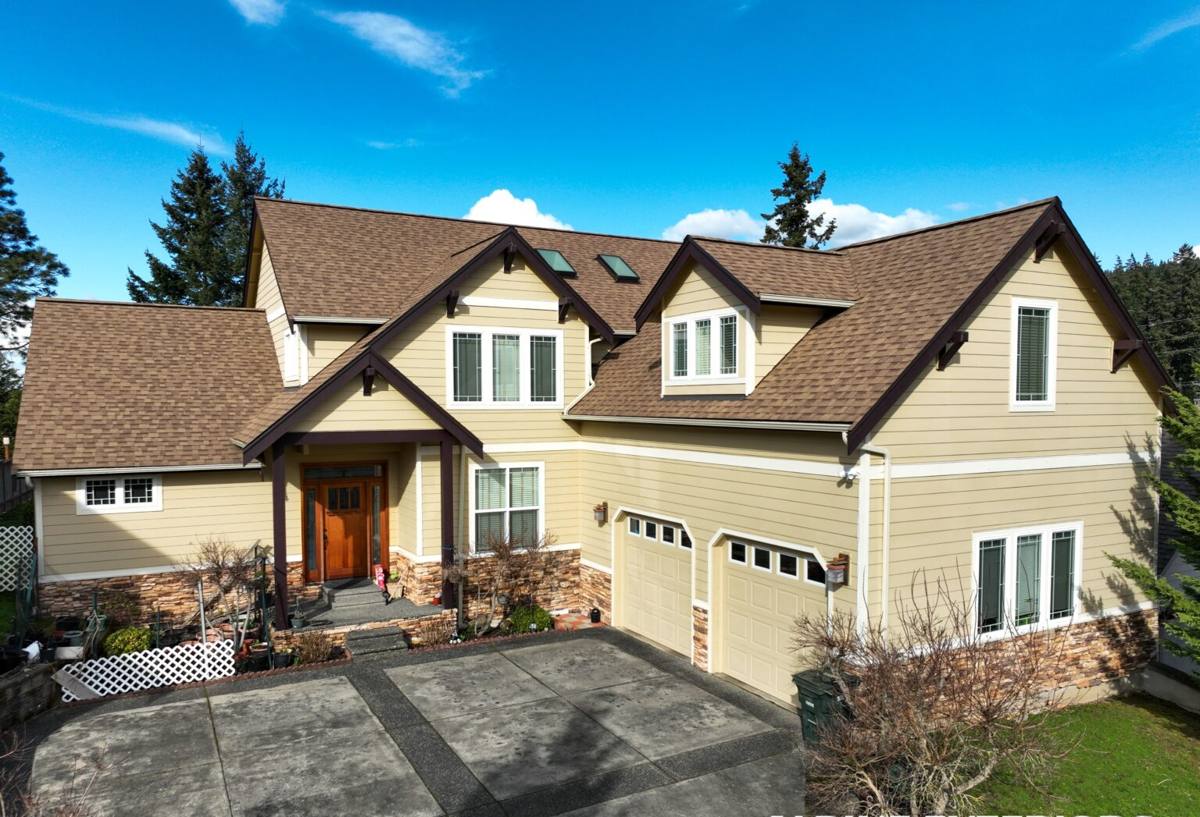
What Silver Beach Sites Do to a Deck
Shade, Slope, and Standing Moisture
A lot of Silver Beach lots slope toward the lake, which is great for a view deck but means water wants to run under and around the structure instead of away from it. Add in mature trees — common throughout this neighborhood — and you get decks that stay shaded and damp long after the rain stops. That combination is exactly what grows moss and algae, and it's why a deck built without real airflow underneath it will stay wet for days after a storm while a properly vented one dries out in hours.
Debris Load
Overhanging trees mean needles, leaves, and seed pods collecting between boards and in gaps around posts and railings all year. Left alone, that debris holds moisture against the decking surface and accelerates exactly the kind of rot and staining homeowners call us about. Board spacing, gap width, and how a deck is framed around obstructions all affect how much of that debris actually clears on its own versus needing to be swept out.
Proximity to the Lake
Because Lake Whatcom is Bellingham's primary drinking water source, properties close to the shoreline can fall under additional environmental and critical-areas review beyond the standard building permit. We don't guess on this — if a project is near the water, we check with the City of Bellingham or Whatcom County before design work goes final, not after.
Getting the Foundation Right
Everything else on a deck depends on what's underneath it, and this is where corners get cut on lower-budget builds. In Whatcom County's wet, freeze-thaw-capable soil, footing depth and drainage around posts matter more than they would in a dry climate. We set footings to meet local frost and load requirements, not just what's fastest to dig, and we make sure water has somewhere to go once it hits grade instead of pooling against a post base.
Ledger Attachment and Flashing
Most rot failures we get called out to inspect on older decks start at the ledger board — the point where the deck attaches to the house. If that connection isn't properly flashed to shed water away from the house's siding and framing, water works its way in slowly, often for years, before anyone notices soft wood or a stain on an interior wall. On a house in a shaded, damp spot like Silver Beach, that timeline moves faster. Correct ledger flashing isn't optional trim work — it's the single detail most responsible for whether a deck rots from the inside out.
Hardware
Joist hangers, structural screws, and post connectors all need to be rated for ground-contact and treated-lumber contact (most modern treated lumber is corrosive to standard galvanized hardware). We use hardware rated for the lumber and treatment we're pairing it with — this is a place where saving a few dollars on generic fasteners shows up as rust streaks and loosening connections within a few seasons.
Choosing a Decking Material That Actually Holds Up Here
There's no single "best" decking material — there's the material that fits a given budget, maintenance appetite, and site conditions. In a shaded, damp neighborhood like Silver Beach, the trade-offs below shift compared to a sunny, open lot.
| Material | Upfront Cost | Maintenance in This Climate | How It Handles Moss & Moisture |
|---|---|---|---|
| Pressure-treated wood | Lowest | Annual cleaning, periodic sealing/staining | Absorbs moisture; needs regular sealing to resist rot and moss growth in shade |
| Cedar | Moderate | Regular sealing to hold color and resist decay | Naturally more rot-resistant than treated pine, but still needs upkeep in constant shade |
| Capped composite | Higher | Occasional washing, no sealing/staining | Won't rot or absorb water; can still grow surface algae/moss in deep shade if not rinsed periodically |
| PVC decking | Highest | Occasional washing | Fully moisture-resistant core; best option for constantly shaded, damp spots but priciest upfront |
Our standard recommendation for shaded, tree-covered Silver Beach lots is capped composite or PVC, simply because the maintenance burden of a wood deck goes up significantly when a deck rarely sees direct sun. That said, plenty of homeowners are happy with a well-built cedar deck as long as they're realistic about the sealing schedule it needs. We'll walk through the honest trade-offs for your specific lot rather than push one product line.
Railings, Fasteners, and the Small Details That Fail First
Railings and stairs take the most direct weather exposure on a deck and are usually the first thing to show wear. Post-to-frame connections need to be genuinely structural, not just cosmetic — this matters for both safety and how the whole system stands up to wind and moisture cycling over years. On stairs especially, we pay attention to tread drainage and non-slip surfacing, since a shaded Silver Beach staircase can stay damp and slick well after the rest of the deck has dried.
Permits and Local Requirements
Deck permitting in Bellingham and unincorporated Whatcom County depends on the deck's size, height off grade, and proximity to property lines or the lake shoreline. Some smaller, low decks may not require a full permit, while larger or elevated decks generally do. We handle the permit application and inspection scheduling as part of the job so homeowners aren't stuck deciphering code language or making a separate trip to the permit counter.
- Confirm whether your specific lot requires shoreline or critical-areas review due to Lake Whatcom proximity
- Verify setback requirements from property lines before finalizing the footprint
- Check height triggers for guardrail requirements
- Confirm frost-depth footing requirements for the site's soil conditions
- Schedule required inspections at framing and final stages
Our Process
We keep the process straightforward because most homeowners just want to know what happens and when.
- On-site walkthrough to assess grade, shade, tree cover, and existing structure (if replacing a deck)
- Design and material discussion based on budget, maintenance preference, and how the deck will be used
- Permit application and any required shoreline or setback verification
- Footings and framing, built to local frost-depth and load requirements
- Decking, railing, and stair installation
- Final walkthrough and inspection sign-off
We don't rush the framing stage. It's the part no one sees once the decking goes down, and it's the part that determines whether the deck is still solid in fifteen years or soft and bouncy in five.
Living With a Deck in a Damp, Shaded Neighborhood
Even a well-built deck needs some homeowner upkeep in a spot like Silver Beach. The goal of good construction is to reduce that burden, not eliminate it — moss and moisture are a reality of this climate no matter what material you choose.
- Sweep leaves and needles out of board gaps regularly, especially in fall
- Rinse off surface algae or moss buildup before it gets a foothold, particularly in shaded corners
- Check that gaps between boards haven't clogged with compacted debris, which traps moisture against the wood or composite core
- Inspect ledger flashing and post bases yearly for early signs of water intrusion
- Reseal wood decking on the schedule appropriate to the product — don't wait until it's visibly gray or cracking
- Keep gutters and downspouts near the deck clear so roof runoff isn't dumping extra water onto or under the structure
Why Local Experience Matters for a Silver Beach Deck
A deck built from a generic plan, without accounting for a shaded, sloped, near-lake lot, tends to show problems within a few years — soft spots at the ledger, moss that keeps coming back no matter how often it's cleaned, footings that shift in wet soil. A crew that already works in Silver Beach and similar Lake Whatcom-area neighborhoods knows which lots need extra drainage work, which need a closer look at shoreline rules before design starts, and which decking materials actually hold up under a tree canopy instead of just performing well on paper. That local pattern recognition is worth more than a lower bid from a crew treating every lot the same.
If you're planning a new deck or replacing one that's showing its age, we're glad to come out, walk the site, and give you a straightforward, no-pressure estimate — including an honest read on what your specific lot needs and what it doesn't. Use the form below to get started.